Enhance Your Dog's Safety with Training Tags

If you’re like me, your dog isn’t just a pet - they’re family. And keeping them safe is always top of mind. One simple, yet super effective way to boost your furry friend’s safety is by using training tags. These little tags can make a huge difference in how quickly your dog can be identified and returned if they ever get lost. Plus, they’re a great tool to support your training efforts!
Let’s dive into why training tags are a must-have, how they work, and some tips to get the most out of them.
Why Dog Safety Tags Are a Game Changer
Dog safety tags are more than just cute accessories. They’re a lifeline. Imagine your dog slips out of the yard or gets spooked during a walk. Without proper identification, finding them can be a stressful, time-consuming ordeal. But with a well-made safety tag, anyone who finds your dog can quickly contact you.
Here’s why I think every dog owner should invest in good safety tags:
Instant Identification: Tags usually have your dog’s name and your contact info. This means no guessing games for the person who finds your pup.
Quick Response: The faster you’re contacted, the sooner your dog is back home safe and sound.
Training Reinforcement: Some tags include training commands or notes, helping strangers handle your dog calmly.
Peace of Mind: Knowing your dog has a tag means less worry when they’re out and about.
I always recommend pairing a collar with a sturdy, clear tag. It’s a simple step that can save a lot of heartache.

How to Choose the Best Dog Safety Tags
Not all tags are created equal. Picking the right one can make all the difference. Here’s what I look for when choosing a tag for my dog:
Durability: Your dog’s tag should withstand weather, rough play, and daily wear. Stainless steel or aluminum tags are great choices.
Legibility: The text on the tag needs to be clear and easy to read. Avoid fancy fonts that might confuse someone trying to read it quickly.
Size and Weight: The tag should be big enough to hold important info but not so heavy it bothers your dog.
Information to Include: At minimum, your dog’s name, your phone number, and an alternate contact. Some owners add medical info or microchip numbers.
Additional Features: Some tags come with QR codes or NFC chips that link to an online profile with more details.
I also love tags that have a little personality - like fun shapes or colors - but safety always comes first!
What is the 7 7 7 Rule for Dogs?
You might have heard about the 7 7 7 rule in dog training circles. It’s a simple guideline to help build a strong bond and effective communication with your dog. Here’s the scoop:
7 Seconds: Spend at least 7 seconds making eye contact with your dog during training or play. This helps focus their attention.
7 Minutes: Dedicate 7 minutes a day to consistent training sessions. Short, frequent sessions work best.
7 Days: Practice your training commands every day for at least 7 days to build a habit.
Why does this matter for safety tags? Well, a dog training pet tag can remind you and others of key commands your dog knows, like “sit” or “stay.” When combined with the 7 7 7 rule, it reinforces your dog’s training and helps keep them safe in unexpected situations.
Tips for Using Training Tags Effectively
Getting a tag is just the first step. To really enhance your dog’s safety, here are some tips I swear by:
Keep Info Updated: Change your phone number or address on the tag as soon as it changes. Outdated info is useless.
Use Multiple Tags: Consider having a tag for training commands and another for contact info. This way, you cover all bases.
Pair with Microchipping: Tags can fall off, but microchips are permanent. Together, they’re a safety powerhouse.
Train Your Dog to Wear Tags: Some dogs don’t like the feel of tags. Use positive reinforcement to get them comfortable.
Check Tags Regularly: Look for wear and tear. Replace tags that are scratched or faded.
Pair with a collar like the FI COLLAR. I love this collar because it has GPS tracking and health tracking.
By following these tips, you’re not just putting a tag on your dog - you’re creating a safety system.
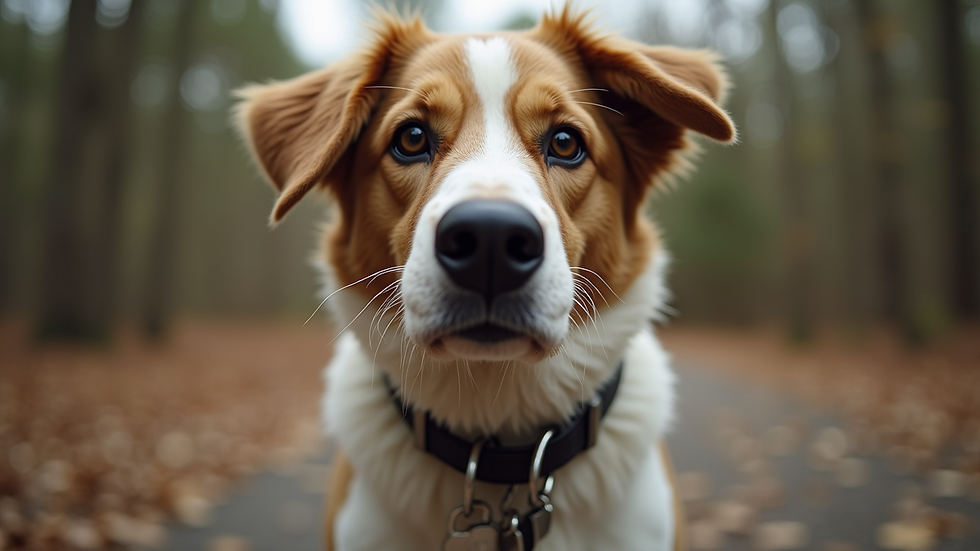
Making Safety a Part of Your Daily Routine
Safety isn’t a one-time thing. It’s a habit. Here’s how I make sure my dog’s safety tags are part of our everyday life:
Daily Collar Check: Every morning, I check that the collar and tags are secure.
Training Refresher: I spend a few minutes each day reinforcing commands that might help in emergencies.
Neighborhood Walks: I use walks as training opportunities and to let my dog get used to wearing tags.
Emergency Plan: I keep a list of local vets and animal shelters handy, just in case.
By weaving these habits into your routine, you’re building a safer, happier life for your dog.
Your Dog’s Safety is in Your Hands
At the end of the day, nothing beats the peace of mind that comes from knowing you’ve done everything to keep your dog safe. Training tags are a small investment with a big payoff. They’re a simple, effective way to protect your best friend and strengthen your bond.
If you haven’t already, I encourage you to get a quality dog safety tag and start using it today. Your dog will thank you with wagging tails and endless love!
Remember, safety and training go paw in paw. With the right tools and a little effort, you can create a safe, joyful life for your furry companion.
Happy training and stay safe out there!


Comments